
When friends pressure them to break a rule, teenagers can state their boundary clearly, try another refusal strategy, leave or use online safety controls, and contact a trusted adult. Preparing several responses in advance can make those choices easier to use.
Why Saying No Can Feel Difficult
Teenagers may feel pushed to do something they would not usually do because they want to fit in, remain accepted, or protect a friendship. Knowing that breaking a rule is a bad idea does not automatically remove the fear of losing that sense of belonging.
A disagreement between friends is not necessarily an unhealthy friendship. The warning signs become clearer when pressure is repeated or a friend tries to control another person’s behavior. Unkind treatment can also matter, especially when it appears alongside attempts to influence what the other person does. Healthy friendships are built around trust, respect, and looking out for one another. A boundary such as “I’m following this rule” deserves respect even when friends would make a different choice.
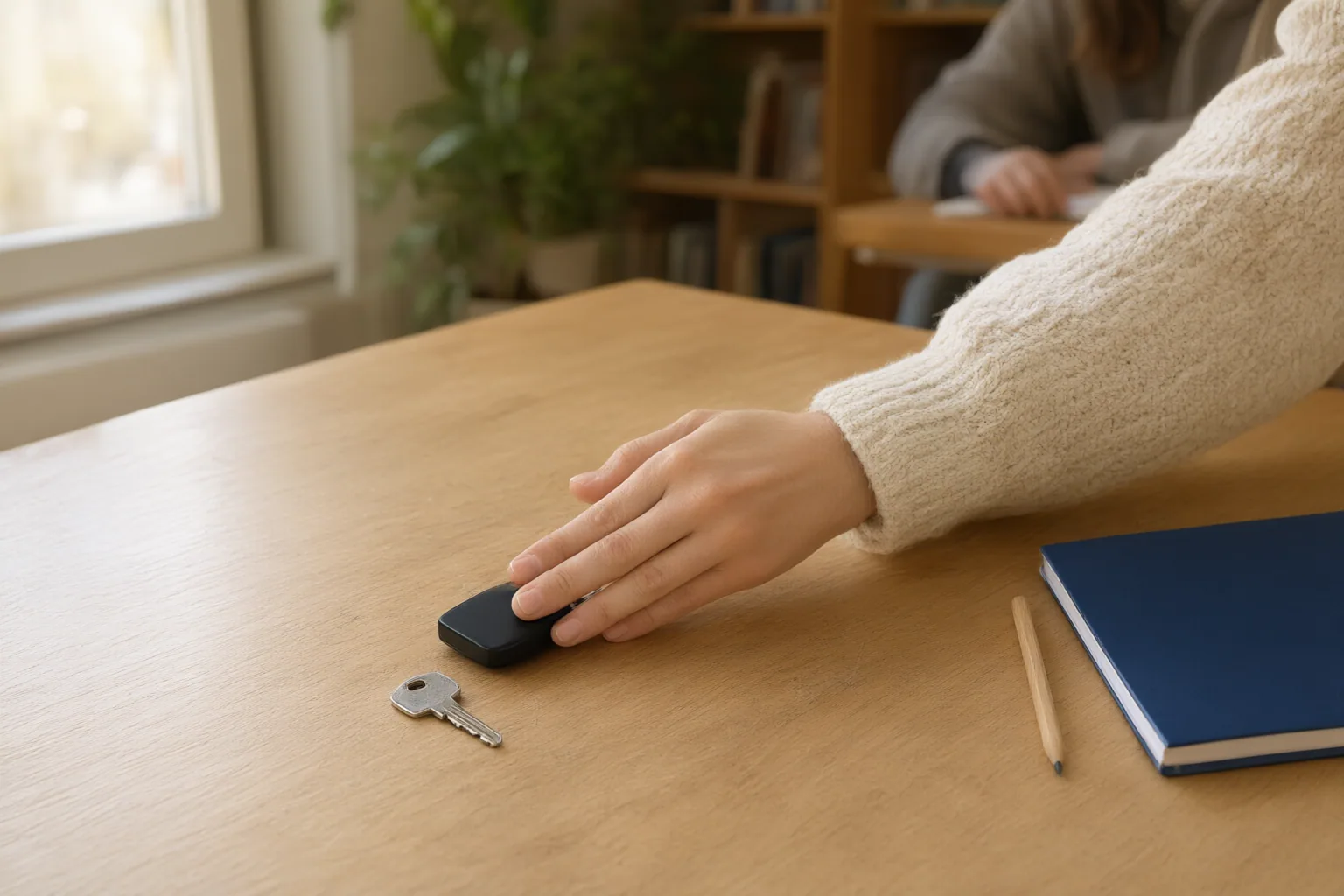
Practical Ways to Refuse and Leave
There is no single response that fits every pressured situation. Teenagers can choose from several refusal strategies:
- Give a clear no: “No, I’m not doing that.”
- Suggest something else: “Let’s do something different.”
- Change the subject and redirect the conversation.
- Ignore the offer rather than debating it.
- Leave the situation.
- Ask another person for help.
If the first answer is ignored, switching strategies can be more useful than continuing the same argument. A teenager might say no once, suggest another activity, and then leave if the pressure continues. Asking for help is also a valid response; refusing does not have to be handled alone.
Practising through role-play or a step-by-step discussion can help teenagers discover which approaches feel most comfortable. One practice scenario could include a friend repeating the request after hearing no. Another could involve several people applying pressure at once. The aim is to prepare a small set of usable responses, not to find a perfect speech.

Build a Safety Plan for In-Person and Online Pressure
An escape plan gives a teenager a prepared way to seek help when they feel pressured or unsafe. A parent or trusted adult and teenager can agree on a code word that means the teenager wants assistance or needs to leave. They can also discuss in advance how the teenager will make contact. Having this arrangement before a difficult situation avoids needing to explain everything while the pressure is happening.
Online pressure may involve unwanted direct messages, suspicious links or files, requests for account information, or sensitive content. Refusal can be paired with the safety controls available on the relevant platform. On Discord, users can ignore or block another user, report content that breaks the platform’s rules, restrict direct messages from server members, and manage who may send friend requests. These are Discord-specific options and should not be assumed to work identically elsewhere.
A practical sequence is to avoid engaging with the request, use an appropriate account control, preserve the option of reporting rule-breaking content, and contact a trusted adult when help is needed.
Conclusion
Start by stating the boundary. If pressure continues, change tactics: redirect the conversation, suggest another activity, ignore the offer, leave, ask for help, or use the relevant online controls. A trusted adult can support this plan. Adults concerned about a friendship can begin with a nonjudgmental conversation about specific things they have noticed instead of immediately ordering the teenager to end the friendship.
Choose two refusal responses to practise today, then agree on an escape plan or code word with a trusted adult before pressure happens.
Disclosures and limitations
- This article was prepared with AI assistance from the supplied McMillen Health, Parent Club, and Discord research materials. It provides general educational information and does not claim personal testing, interviews, or counselling.
Related reading
Sources
- When Trusting Friends Backfires in Leadership — linkedin.com
- Safety Library | Discord — discord.com
- Top Refusal Skills for Teens: How to Say No Under Pressure — McMillen Health — McMillen Health
- Peer pressure and unhealthy teen friendships | Parent Club — parentclub.scot