
Parents can structure a manageable sibling disagreement without deciding who is right: pause the exchange, let each child describe their perspective without interruption, ask each to paraphrase the other, separate events from perceptions and emotions, and invite both children to suggest a workable next step. This process is an editorial adaptation of general workplace conflict guidance, not a validated parenting intervention.
Pause the Argument and Hear Each Perspective
Begin by pausing the back-and-forth and explaining that each sibling will have an uninterrupted turn. Ask one child to describe the disagreement from their perspective while the other listens. Then ask the listener to paraphrase what they heard before responding. Repeat the process with their roles reversed.
Paraphrasing is meant to check understanding, not to prove that one account is correct. A child might say, “I heard that you thought I took something before you were finished with it.” The first speaker can then clarify whether that summary reflects what they meant. The parent’s role is to keep the turns orderly and help both children hear the two perspectives, rather than announce a winner.
This active-listening sequence is adapted from guidance written for workplace conflict, where uninterrupted sharing and paraphrasing are recommended. The supplied source does not establish that the method is effective for everyday disputes between siblings, so it should be presented as a cautious conversation structure rather than a proven parenting technique.
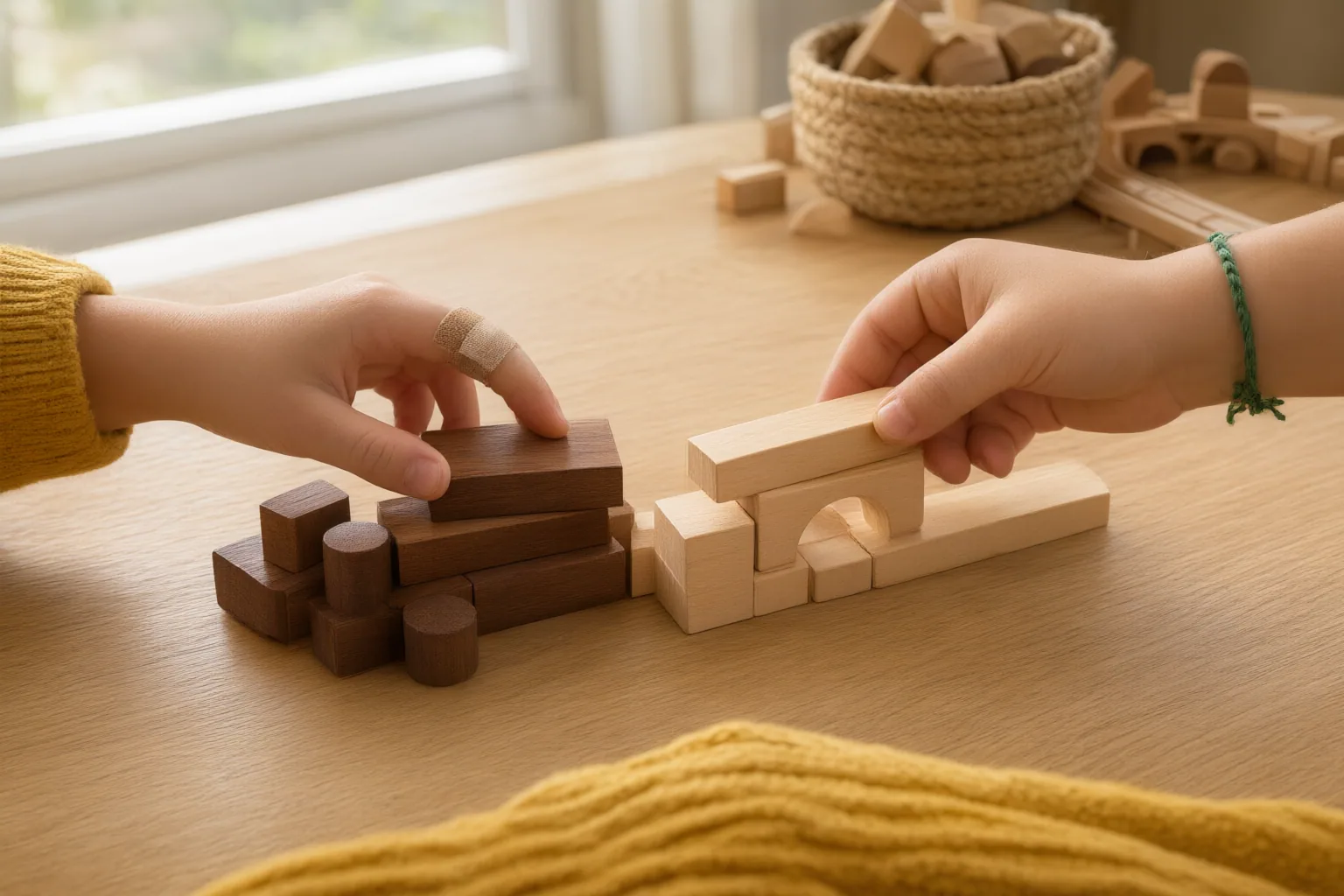
Separate the Immediate Issue From Feelings and Competition
Next, help the siblings sort their statements into three categories: what they say happened, how each interpreted it, and how each felt. For example, the immediate issue might concern whose turn it was; one sibling may perceive the other’s action as unfair, while both may feel frustrated. Keeping those categories distinct can make room for different perceptions without requiring the parent to certify one complete version of events.
The discussion can then return to the specific problem that needs a response. General conflict guidance recommends distinguishing facts, perceptions, and emotions while focusing on solutions instead of blame. Applying that framework to siblings is an editorial adaptation because the source concerns workplace disputes, not family mediation.
Some arguments may also contain competing concerns about parental attention or resources. The supplied parent–offspring conflict source offers a theoretical account in which parents are expected to distribute investment among offspring while an offspring may seek more investment even when siblings are disadvantaged. That theory can provide limited context for recognizing competition, but it does not supply or validate a practical parenting method. Parents can therefore acknowledge an attention concern without treating the theory as an explanation of a particular child’s motives.

Let the Siblings Build a Solution Together
Once both perspectives have been heard, shift from retelling the dispute to defining the immediate problem in neutral terms. A parent might summarize the two accounts without endorsing either one, then ask each sibling whether the summary captures the issue that needs solving.
Next, identify an interest they share. The shared interest does not need to settle the past; it can simply describe what both want to happen next. Invite each child to suggest possible resolutions, and record or repeat the options without immediately judging them. Then ask which option both are willing to try. This follows general guidance to focus on solutions rather than blame and to involve the parties in brainstorming resolutions.
A simple sequence is: each sibling describes a perspective; each paraphrases the other; the parent separates the stated events, perceptions, and emotions; everyone names the immediate issue; both children suggest options; and the siblings choose one option they can try. The wording and number of steps can be adjusted for the conversation, but the sequence itself remains an editorial adaptation. The supplied evidence does not show that it is a tested sibling-conflict intervention.
Conclusion
A parent can act as the organizer of the conversation rather than its judge: protect each child’s turn, check that both perspectives were heard, separate the immediate issue from interpretations and emotions, and invite the siblings to shape a response together. This approach draws on workplace conflict guidance and limited theoretical context about competition for parental investment; neither supplied source directly studies parents mediating everyday disputes between human siblings.
At the next manageable disagreement, invite each child to speak without interruption, ask the other to paraphrase what they heard, and help them propose one solution they can both try.
Disclosures and limitations
- This article was prepared with AI assistance using only the supplied LinkedIn workplace-conflict source and Wikipedia parent–offspring conflict source. Neither source directly studies everyday conflict resolution between human siblings, and the practical sequence is an editorial adaptation rather than a validated parenting intervention.
Related reading
Sources
- Tips for Resolving Conflicts Within Sales Teams — linkedin.com
- Parent–offspring conflict – Wikipedia — en.wikipedia.org